



Blog
Berberine Benefits for Blood Sugar: Dosage, Side Effects & Why Ceylon Cinnamon Helps

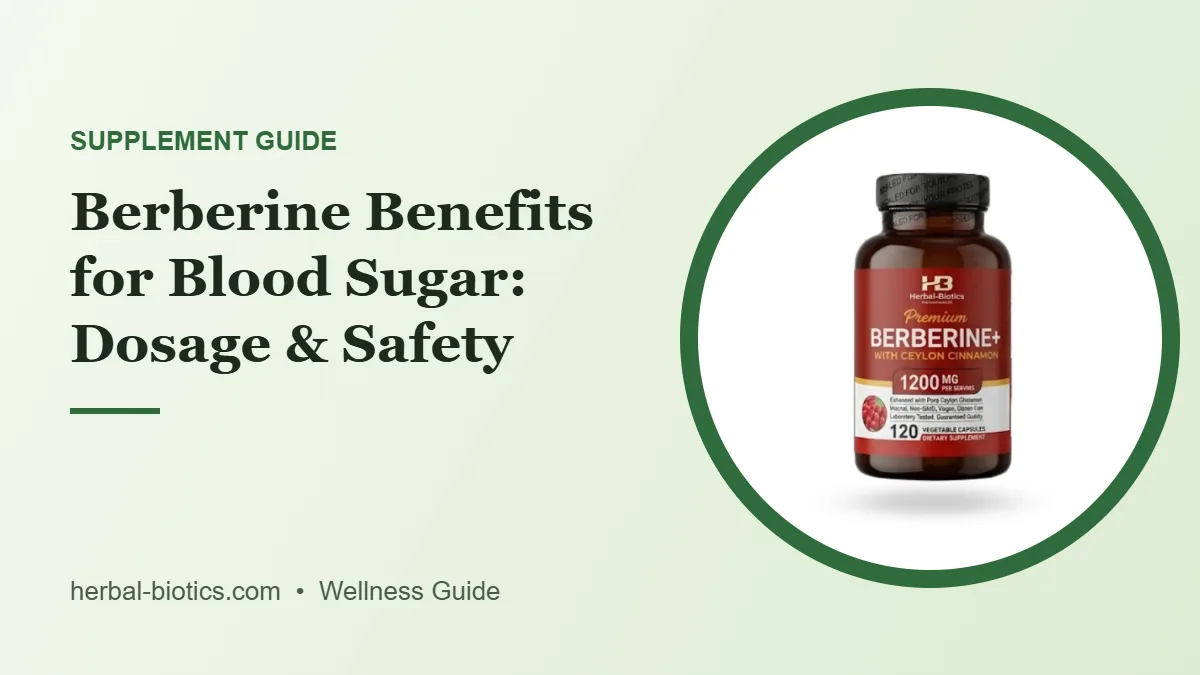
Quick answer: Berberine is a plant compound from herbs such as barberry and goldenseal. Research shows it can support healthy blood sugar, insulin sensitivity and cholesterol, with studies typically using 500 mg two to three times daily with meals. It can interact with diabetes medicines, so anyone on medication should speak to a doctor first.
Berberine has gone from a little-known herbal extract to one of the most searched supplements in the world. Part of that is real science: it has been tested in dozens of human trials for blood sugar and cholesterol. Part of it is hype, like the “nature’s Ozempic” label on social media. This guide separates the two so you can decide whether berberine fits your health goals.
We also explain why many formulas, including our Berberine with Ceylon Cinnamon, pair berberine with true cinnamon, and the safety steps that matter for readers already managing diabetes.
What Is Berberine?
Berberine is a bright yellow alkaloid found in the roots and bark of plants such as Berberis (barberry), goldenseal, Oregon grape and Chinese goldthread. It has a long history in traditional Chinese and Ayurvedic medicine. Today it is sold as berberine HCl capsules.
Inside the body, berberine activates an enzyme called AMPK, sometimes described as the cell’s “metabolic master switch”. AMPK helps cells take up glucose, burn fat for energy and reduce the liver’s own sugar production. This mechanism explains most of berberine’s studied benefits.
Berberine Benefits Backed by Research
1. Supports healthy blood sugar levels
Systematic reviews of randomised trials in people with type 2 diabetes and prediabetes report that berberine lowers fasting blood glucose and HbA1c (the 3-month average blood sugar marker), with effects described as modest but meaningful. Some trials compared it with standard medicines, but those studies were small and are not a reason to stop prescribed treatment.
2. Improves insulin sensitivity
By activating AMPK and supporting glucose uptake in muscle, berberine helps the body respond better to insulin. Better insulin sensitivity is linked to steadier energy and fewer sugar cravings.
3. Supports healthy cholesterol and triglycerides
Meta-analyses show berberine can reduce total cholesterol, LDL (“bad”) cholesterol and triglycerides. It appears to increase LDL receptors in the liver, a different route from statin drugs. For broader heart support, some people also use CoQ10 and Omega-3 fish oil.
4. May support modest weight management
Some studies report small reductions in weight, waist size and BMI in people with metabolic syndrome. The effect is small, and it works best alongside diet changes and regular activity.
5. Supports gut and liver health
Berberine influences the gut microbiome and has been studied in non-alcoholic fatty liver disease, where early results are encouraging. More research is needed before firm conclusions can be drawn.
Why Combine Berberine with Ceylon Cinnamon?
Cinnamon has been studied for blood sugar support for years, with mixed but interesting results. The type of cinnamon matters:
| Ceylon cinnamon (“true” cinnamon) | Cassia cinnamon (common) | |
|---|---|---|
| Coumarin content | Very low | High |
| Liver concern at high intake | Low | Higher with regular large doses |
| Best for daily supplements | Yes | Less suitable |
Choosing Ceylon cinnamon lets a formula add cinnamon’s polyphenols without the coumarin load of cassia, which is why it is the preferred partner for daily berberine.
How to Take Berberine: Dosage and Timing
- Typical studied dose: 900–1,500 mg per day, split into 2–3 doses.
- Take with meals: berberine works on how your body handles the food you eat, and taking it with food reduces stomach upset.
- Split the dose: berberine has a short half-life, so morning and evening doses keep levels steadier.
- Give it time: most trials measured results after 8–12 weeks.
- Pair it with basics: fewer sugary drinks, more fibre (beans, vegetables, oats), regular walks and good sleep. Our guide to magnesium glycinate benefits explains why magnesium also matters for insulin function.
Side Effects, Interactions and Safety
The most common side effects are digestive: constipation, diarrhoea, gas or stomach cramps. Starting with one capsule daily and increasing slowly helps.
Important interactions:
- Diabetes medicines (metformin, glibenclamide, insulin and others): combined use can push blood sugar too low. Only combine under medical supervision.
- Medicines processed by the liver’s CYP enzymes, including some blood thinners, statins, sedatives and cyclosporine.
- Blood pressure medicines: berberine may lower blood pressure slightly.
Avoid berberine during pregnancy and breastfeeding, and do not give it to infants or children. Speak to your doctor first if you have liver disease or a history of low blood sugar.
Is Berberine Right for You?
Berberine may suit adults who want extra support for blood sugar, cholesterol or metabolic health as part of a healthier lifestyle, and who have checked with a professional if they take medication. If you want a broader formula, compare it with our Blood Sugar Support supplement.
Herbal Biotics delivers original, sealed supplements across Nigeria with pay-on-delivery. Shop Berberine with Ceylon Cinnamon, explore the full shop, or ask our team a question.
Frequently Asked Questions
What are the main benefits of berberine?
Berberine is best studied for supporting healthy blood sugar, insulin sensitivity and cholesterol levels. Clinical trials and meta-analyses show modest reductions in fasting glucose, HbA1c, LDL cholesterol and triglycerides, mostly in adults with type 2 diabetes, prediabetes or high cholesterol.
How much berberine should I take per day?
Most studies use 900 to 1,500 mg per day, split into two or three doses of about 500 mg taken with meals. Berberine is cleared from the body quickly, so splitting the dose works better than taking it all at once. Follow your product label and your doctor’s advice.
Can I take berberine with metformin?
Do not combine berberine with metformin, insulin or other diabetes medicines without your doctor’s approval. Both lower blood sugar, so taking them together can increase the risk of hypoglycaemia and may require medication changes and closer glucose monitoring.
Why is Ceylon cinnamon added to berberine?
Ceylon cinnamon is often called true cinnamon. It contains far less coumarin than the common cassia cinnamon, which can stress the liver in large amounts. Cinnamon has been studied for blood sugar support, although results are mixed, so it is best seen as a complementary ingredient.
Is berberine nature’s Ozempic?
No. That nickname is social-media hype. Berberine and GLP-1 medicines like semaglutide work differently, and berberine’s effect on weight in studies is small. Berberine may support metabolic health alongside diet and exercise, but it is not a replacement for prescribed medication.
Who should not take berberine?
Pregnant and breastfeeding women, children, and people taking diabetes medicine, blood thinners, cyclosporine or drugs processed by liver CYP enzymes should not take berberine unless a doctor approves it. Anyone with liver disease or low blood sugar episodes should also seek medical advice first.
Disclaimer: This article is for general education and is not medical advice. Supplements are not intended to diagnose, treat, cure or prevent any disease. If you have diabetes or take any medication, speak to your doctor before using berberine.
Sources: peer-reviewed systematic reviews and meta-analyses of berberine for glucose and lipid control; NIH National Center for Complementary and Integrative Health information on goldenseal and cinnamon.

